Our use of cookies We use cookies to give you the best online experience. By using our website you agree to our use of cookies in accordance with our Cookie Policy
Please sign in before filling out the form. Otherwise, the data will not be saved.
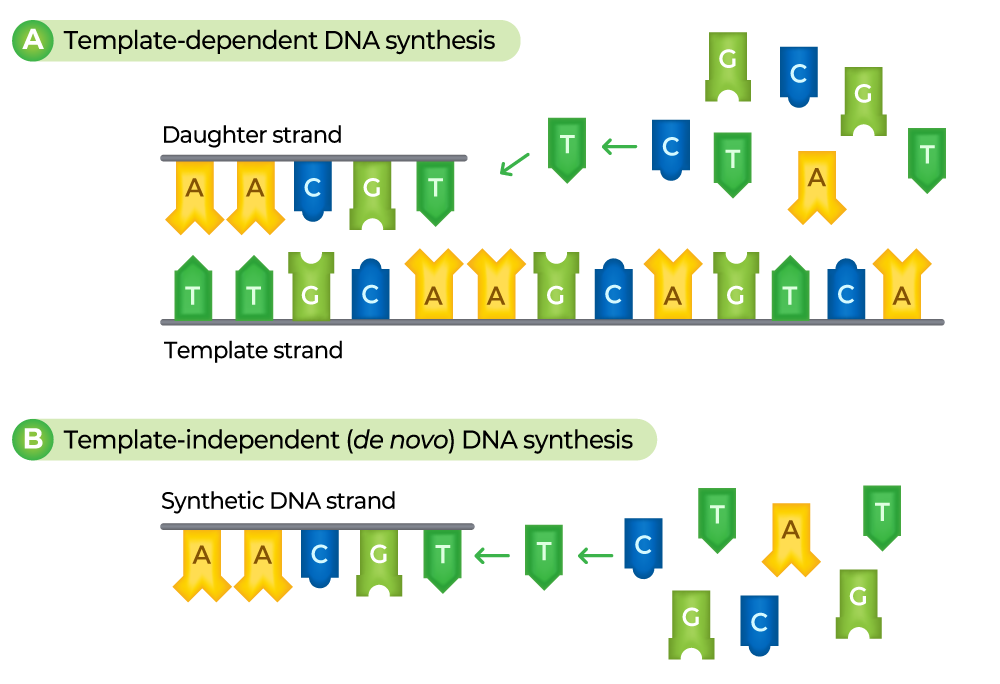
Gene synthesis is the process of building artificial genes or modifying existing ones entirely from scratch. Unlike DNA replication in living cells, which uses a template strand, gene synthesis creates DNA molecules one nucleotide (the building block) at a time.
Usages of gene synthesis:
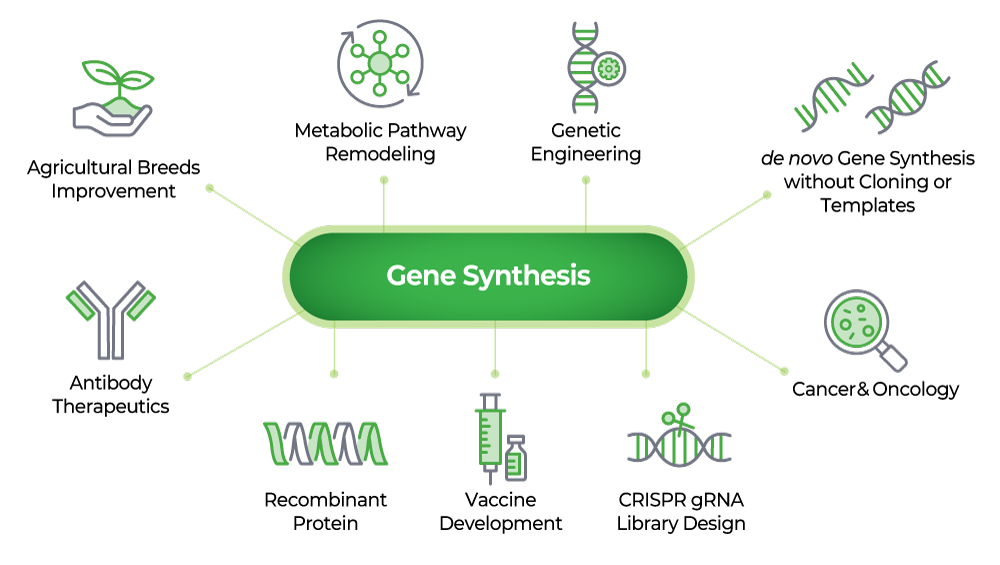
Medical research: One can produce specific proteins for research on diseases, leading to new treatment discoveries.
Vaccine development: Gene synthesis allows the creation of synthetic copies of viral or bacterial proteins to be used in vaccines.
Genetically modified organisms (GMOs): This technique allows for the creation of organisms with desired traits, such as pest-resistant crops or those with enhanced nutritional value.
Biofuels: One can design and synthesize genes for microbes that can more efficiently produce biofuels.
Nagoya Protocol is an international agreement on Access and Benefit-Sharing (ABS) of biological genetic resources, which has various implications for gene synthesis and cloning in synthetic biology related to genetic information.
1. The Nagoya Protocol and Digital Sequence Information(DSI)
The Nagoya Protocol regulates the use of biological genetic resources and the fair sharing of benefits arising from them, but currently lacks clear provisions regarding Digital Sequence Information (DSI).
However, some countries and organizations are advocating for DSI to be considered part of genetic resources and are showing movements to include it as a regulatory target.
2. Impact on Gene Synthesis and Cloning
When synthesizing the genetic sequence of a specific organism or performing cloning through PCR or DNA manipulation, ABS compliance may be necessary if the original source organism is from a country that has joined the Nagoya Protocol.
Particularly, if the genetic sequence is obtained from public databases (NCBI, EMBL-EBI, etc.), research and commercial activities using this information may be subject to the Nagoya Protocol.
3. Impact and Future Prospects on Synthetic Biology Research and Industry
Research institutions and companies may need to comply with Prior Informed Consent(PIC) and Mutually Agreed Terms(MAT) of the country of origin when using genetic resources.
Since the free use of DSI may be restricted, legal review and data source verification procedures for compliance with the Nagoya Protocol should be strengthened, and international regulatory trends should be continuously monitored.
The biggest difference between NGS-based low-error rate gene synthesis technology and traditional single colony-based gene synthesis lies in how the accuracy of the synthesized gene is verified and the final correct sequence is secured.
1. Single Colony-Based Gene Synthesis (Traditional Method)
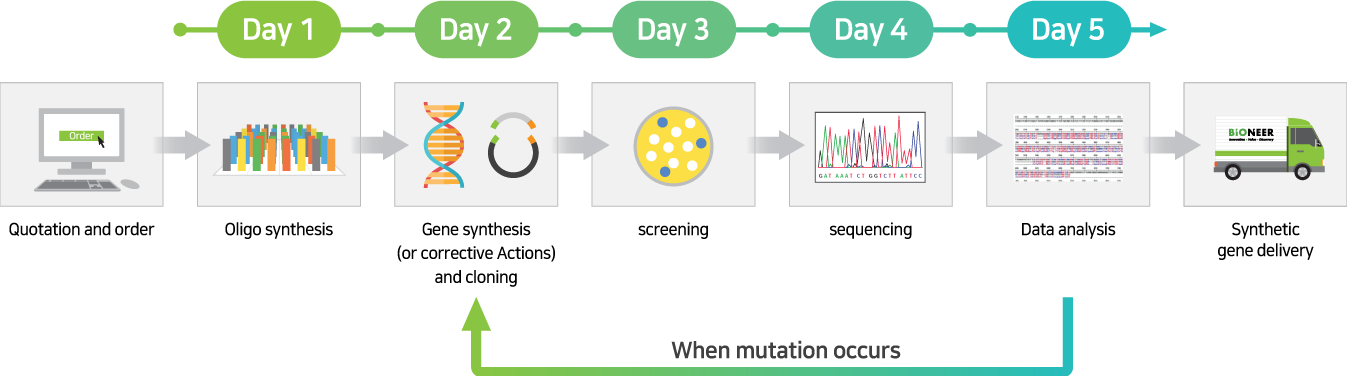
Principle: Oligonucleotides (short DNA fragments) are chemically synthesized and assembled to create the desired gene length. This initial pool of synthesized genes inevitably contains sequence errors (insertions, deletions, substitutions). This gene pool is inserted (cloned) into plasmid vectors and transformed into host cells like E. coli. The transformed bacteria are cultured on agar plates to obtain numerous single colonies. Each colony theoretically originates from a single plasmid molecule. Several colonies are selected, cultured individually, and plasmids are extracted. The sequence of the inserted gene within each extracted plasmid is individually analyzed, typically using methods like Sanger Sequencing. Finally, a colony containing the accurate, error-free gene sequence is selected from the screened colonies for use.
2. NGS-Based Low-Error Rate Gene Synthesis
Principle: Attempts are made to lower the initial error rate from the synthesis step itself, using advanced synthesis chemistry or enzymatic synthesis methods. Next-Generation Sequencing (NGS) is applied to the synthesized gene pool or intermediate gene fragments. NGS can simultaneously read the sequences of millions of DNA fragments, allowing for an accurate assessment of the error distribution and characteristics of the entire synthesized pool. Based on this NGS data, molecules with very few errors are selected, or the synthesis process itself is optimized, ultimately yielding a gene pool with an extremely low error rate. In some cases, cloning and single colony confirmation might still follow NGS verification, but the success rate of final selection is much higher, and screening effort is reduced because a high-quality pool has already been secured. Some technologies might directly use the NGS-verified pool without cloning.
In conclusion, NGS-based technology leverages the powerful analytical capabilities of NGS to improve the overall quality throughout the synthesis process and dramatically reduce the error rate of the final product. In contrast, single colony-based technology relies on traditional cloning and individual sequencing to find the 100% correct sequence among clones that may contain errors. Bioneer provides 100% accurate DNA using its single colony-based gene synthesis method.
Q1: What is Codon Optimization, and why is it necessary?
Codon optimization is the process of strategically modifying the DNA sequence of a gene—without changing the amino acid sequence it encodes—to improve its expression efficiency, stability, synthesizability, and overall performance. It's a crucial synthetic biology technique that goes beyond simple codon changes. Bioneer's GeneCrafter™ is a powerful tool designed for this purpose.
Why is optimization necessary?
Overcoming Codon Usage Bias (CUB):
Most amino acids can be coded by multiple codons (DNA triplets), but organisms often show a preference for using certain codons over others. This pattern is known as Codon Usage Bias (CUB). For example, while UCU, UCC, UCA, and UCG all code for Serine, an organism might primarily use only one or two of these efficiently.
When expressing a gene from one organism (like a human) in a different host system (like E. coli), differences in CUB can drastically slow down or stall mRNA translation, leading to low protein yields. GeneCrafter™ optimizes codons to match the CUB of the target host, maximizing translation efficiency.
Repeat Sequences: Simple repeats (Homopolymers, e.g., AAAAAA) or more complex repeats can cause errors during gene synthesis or lead to genetic instability (e.g., recombination) within the host.
mRNA Secondary Structures: mRNA can fold back on itself, forming structures like hairpins. These structures, especially near the 5' end, can block ribosome access, hindering translation initiation or slowing down elongation.
Restriction Enzyme Sites: The presence of unwanted restriction sites can complicate downstream cloning steps or the assembly of genetic circuits.
CpG/UpA Dinucleotides: Particularly relevant for mRNA vaccines and therapeutics, these dinucleotides can trigger innate immune responses or promote mRNA degradation.
Other Regulatory Motifs: Undesired sequences like cryptic splice sites, internal prokaryotic ribosome binding sites (RBS), premature polyadenylation signals, or transcription factor binding sites (TFBS) within the coding region can lead to unintended processing or regulation.
Gene sequences can contain various hidden elements that negatively impact synthesis or expression:
GeneCrafter™ identifies and removes these problematic sequences, improving gene synthesis success rates, ensuring predictable gene expression, and enabling stable function. It can also be used for attenuation (weakening expression or function) by strategically modifying sequences, which is useful in applications like vaccine development.
Benefits of GeneCrafter™ Optimization:
Predictable and High Levels of Gene Expression: Maximizes protein or mRNA yield through host-optimized codons and stable mRNA structures.
Improved mRNA Stability and Functionality: Enhances In Vitro Transcription (IVT) efficiency, increases translation efficiency, and boosts the efficacy of mRNA-based drugs (vaccines, therapeutics) by removing destabilizing elements and optimizing structure.
Higher Gene Synthesis Success Rate & Cost-Effectiveness: Facilitates faster and more reliable gene synthesis by eliminating sequence complexities (GC imbalances, repeats, hairpins), often leading to more competitive pricing.
Essential for Heterologous Expression: Overcomes expression barriers between different species, ensuring genes function reliably in the desired host system.
Q2: Can I get gene optimization services using GeneCrafter™?
Bioneer offers custom Codon Optimization and Attenuation services free of charge, powered by our proprietary GeneCrafter™ software.
To request this service, please email the following information to geneorder@bioneer.co.kr:
DNA or Protein Sequence: The sequence you want to optimize (FASTA format preferred).
Target Host/Organism: The organism where the gene will be expressed (e.g., E. coli K12, Homo sapiens, CHO-K1, S. cerevisiae).
Restriction Enzymes to Avoid: List any enzyme sites that should be removed for your downstream cloning or experiments (Optional).
Primary Application: The main goal of optimization (e.g., Protein expression, mRNA production, Vaccine development).
CAI Attenuation: Specify if you need to intentionally reduce translation efficiency (Optional, specify desired level if applicable).
Q3: What is GeneCrafter™?
GeneCrafter™ is Bioneer's in-house developed, state-of-the-art software for codon optimization and attenuation. It employs sophisticated Multi-Objective Optimization algorithms that go far beyond simple codon replacement. GeneCrafter™ considers a wide range of biological and physicochemical factors influencing gene expression, stability, and synthesis efficiency to deliver superior, tailor-made gene designs.
Q4: What's the difference between traditional codon optimization and GeneCrafter™?
Traditional codon optimization often focuses on a single objective: matching the Codon Usage Bias (CUB) of the target host to improve translation efficiency.
GeneCrafter™, however, utilizes a far more comprehensive and sophisticated Multi-Objective Optimization approach. Think of it like conducting an orchestra versus playing a single instrument. GeneCrafter™ simultaneously considers and balances multiple critical parameters to achieve the best overall gene performance:
Codon Usage Bias (CUB): (Fundamental) Uses codons preferred by the host to enhance translation efficiency. GeneCrafter™ can also factor in codon context effects, not just individual frequencies.
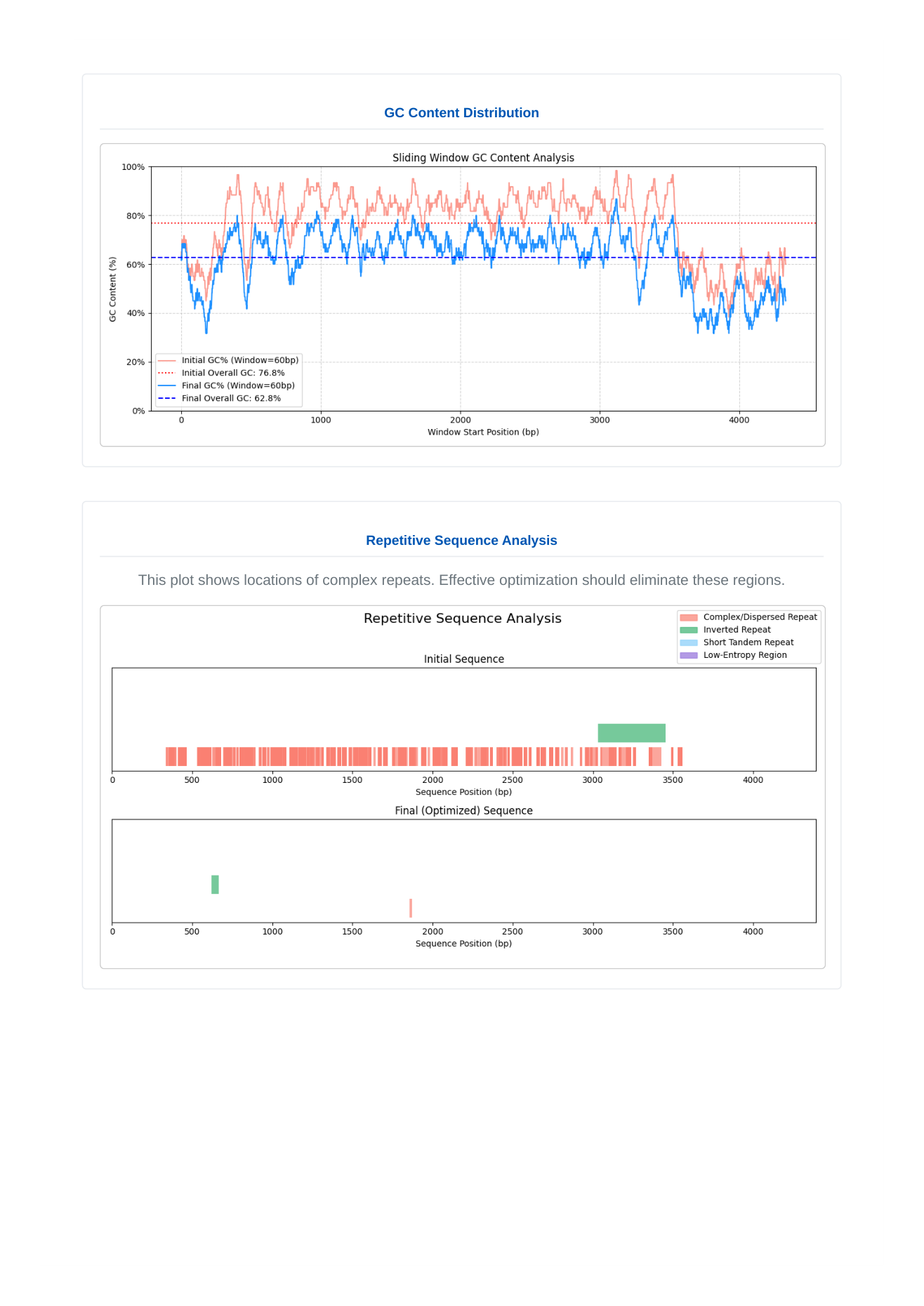
GC Content: (Stability & Synthesis) Modulates both overall and local GC content within optimal ranges to prevent issues caused by excessively stable (high GC) or unstable (low GC) DNA/mRNA regions, improving synthesis success rates.
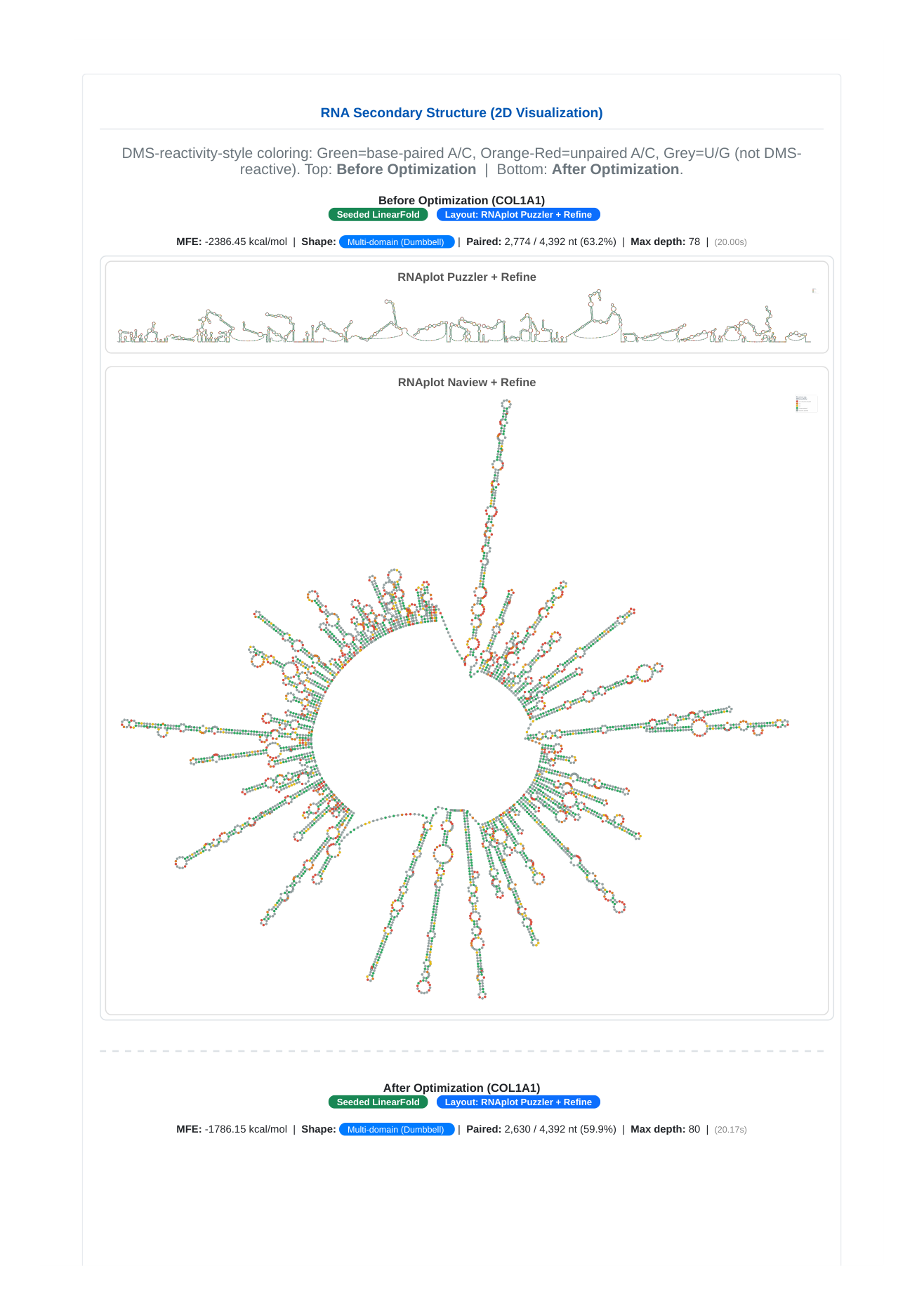
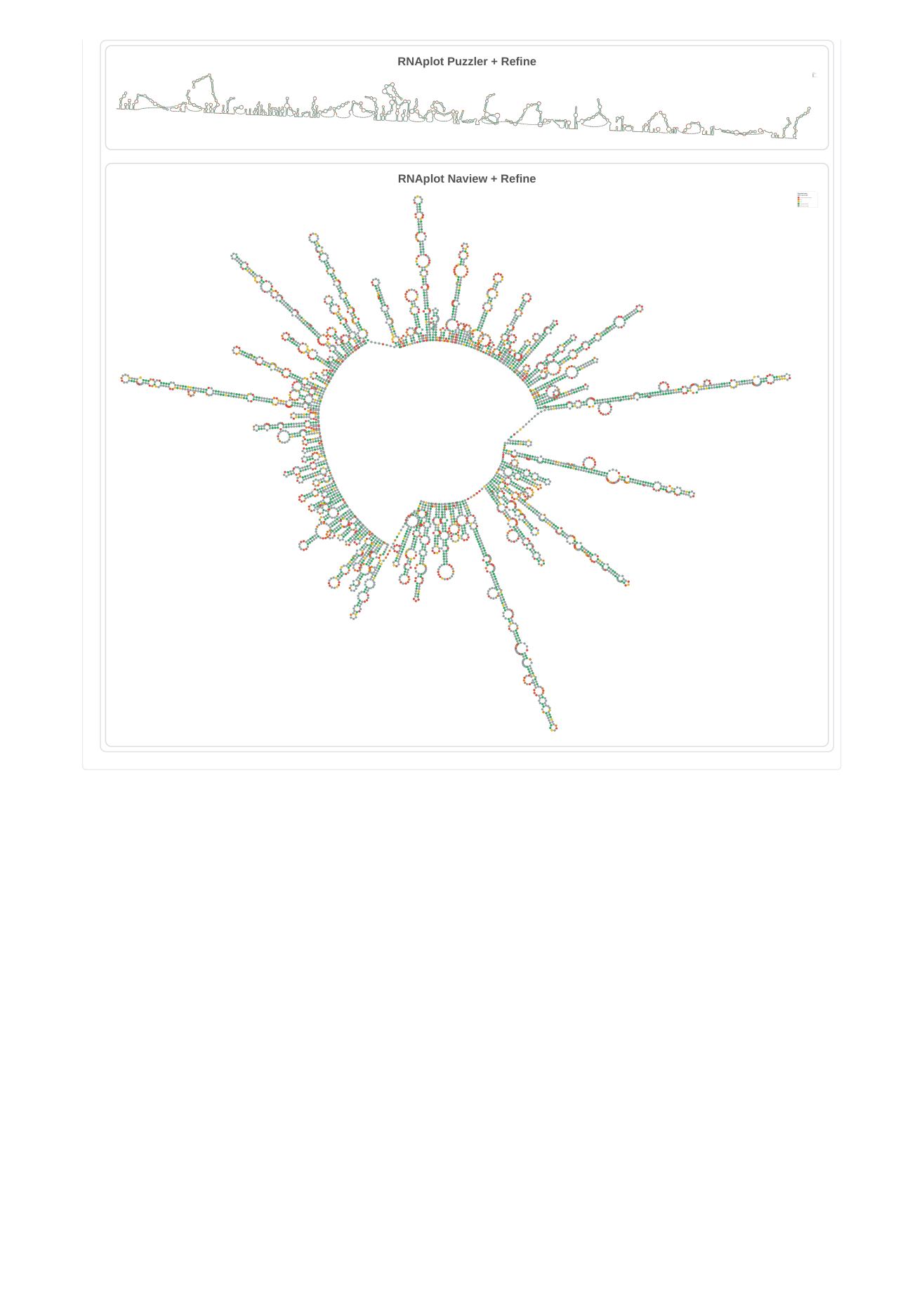
mRNA Secondary Structure: (Efficiency & Stability) Minimizes the formation of detrimental structures like hairpins that can impede translation, particularly optimizing the translation initiation site region for better ribosome accessibility.
Sequence Motifs to Avoid: (Functionality & Safety) Eliminates sequences that could interfere with gene function or downstream processes, ensuring predictability and flexibility:
Aberrant Processing Signals: (e.g., Cryptic Splice Sites, Prokaryotic RBS in eukaryotes) Avoids unintended gene regulation or processing.
Repeat Sequences: (Stability & Synthesis) Removes homopolymers, tandem repeats, and complex internal repeats to reduce gene synthesis errors and potential genetic instability.
Codon Pair Bias (CPB): (Translation Speed & Accuracy) Considers the influence of adjacent codon pairs on translation speed and fidelity, allowing for fine-tuning of the translation process and potentially impacting protein folding.
Reduced Immunogenicity: (Safety - especially for mRNA) Crucial for in vivo applications like mRNA vaccines/therapeutics. Minimizes unwanted innate immune responses by modulating CpG and UpA dinucleotide frequencies, removing dsRNA-forming inverted repeats, and avoiding known immune-stimulatory motifs (e.g., certain TLR agonist sequences).
In essence, GeneCrafter™ moves beyond basic CUB matching to provide a robust, reliable solution for synthetic biology challenges, proactively addressing potential issues across the entire Design-Build-Test cycle.
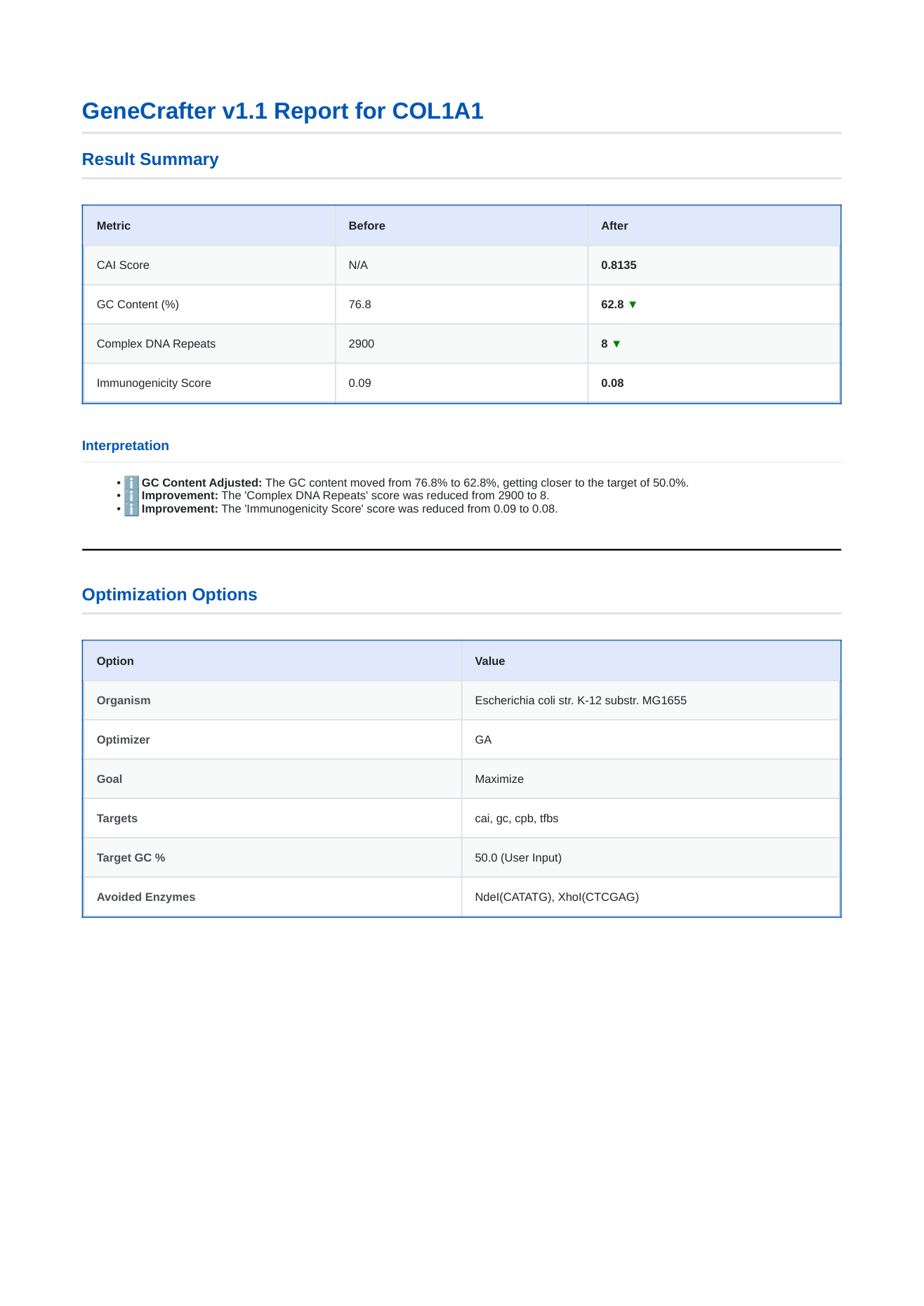
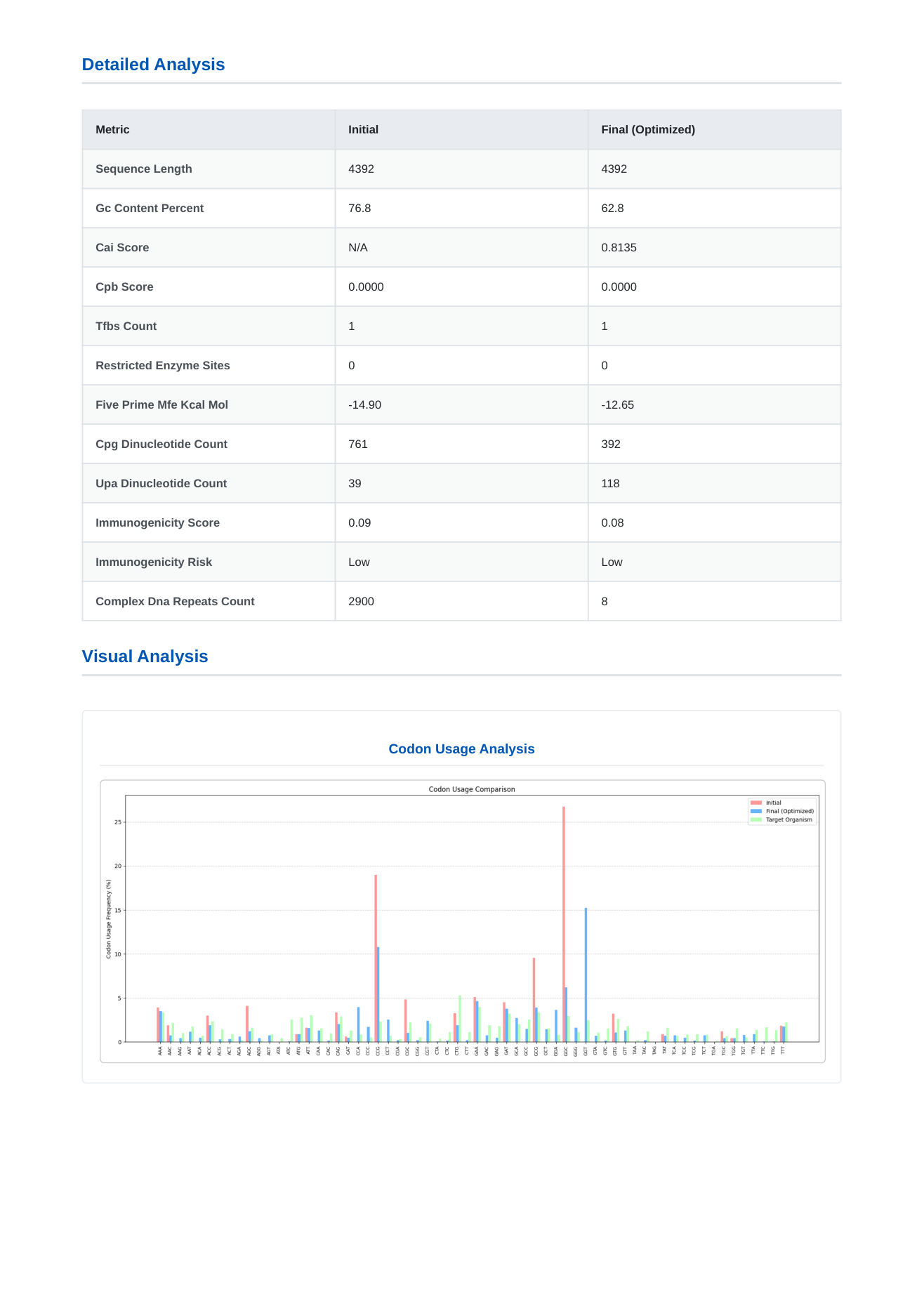
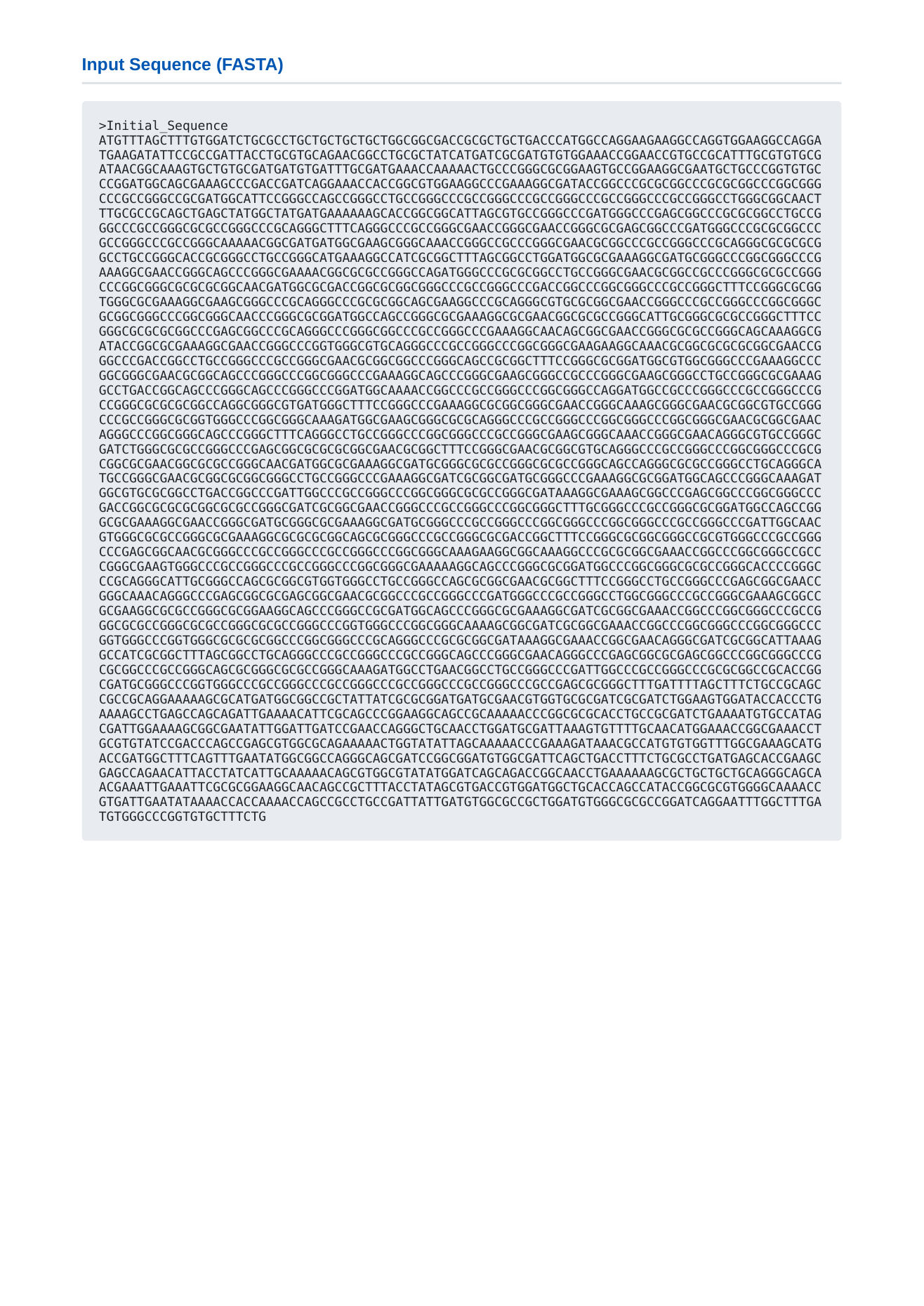
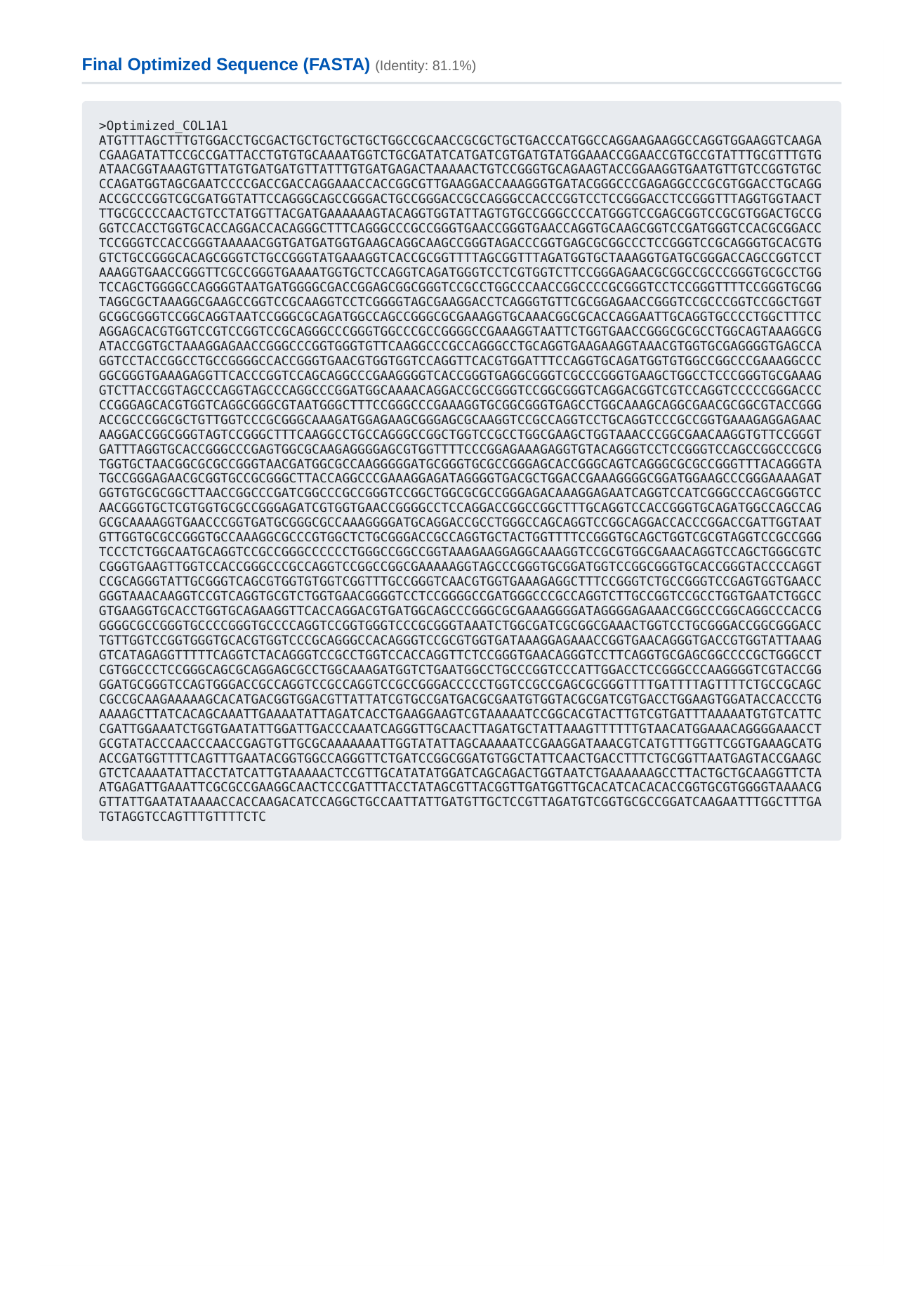
GeneCrater™ specializes in re-engineering complex genomic sequences for maximum synthesis compatibility(Example Report- COL1A1.pdf, COL1A2.pdf).
1. Definition of Hazardous/Regulated Sequences
'Potentially hazardous sequences,' often referred to as 'Sequences of Concern' (SOCs), are DNA sequences that are internationally regulated because they have the potential to be misused for harmful purposes (e.g., bioweapons or bioterrorism).
These sequences are typically derived from pathogens and toxins that pose a severe threat to public health and safety. They include genes from sources listed by major international regulatory bodies, such as:
Regulated Pathogens: Genes from viruses or bacteria listed on the U.S. Select Agents and Toxins list or by the Australia Group.
Toxin Genes: Sequences that code for highly toxic substances.
Dual-Use Research of Concern (DURC): Sequences that could be used to increase the pathogenicity, transmissibility, or resistance of a pathogen to vaccines or treatments.
2. Why Strict Verification is Necessary
Gene synthesis is a critical tool for accelerating beneficial research, such as the development of new vaccines, diagnostics, and therapeutics. However, this technology carries a profound responsibility to prevent its misuse.
As a responsible provider adhering to the IGSC Harmonized Screening Protocol, Bioneer rigorously verifies all orders to prevent potential misuse and fulfill our shared commitment to global biosecurity.
This verification process is essential to confirm that the order is placed by a legitimate institution and that the sequence will be used solely for a bona fide, beneficial, and ethical purpose.
Bioneer provides not only gene synthesis services but also a variety of additional linked services:
Codon optimization service: If the gene sequence does not match the codon usage bias of the strain used for expression, further research, such as protein expression, may be affected. Bioneer has its own codon optimization program, 'GeneCrafter™', and provides codon optimization services in conjunction with gene synthesis services.
Cloning service: This is a cloning service that provides not only the vectors provided by the company but also a specific vector in plasmid form. If you have an insert, you can order the cloning service alone. If you do not have an insert, we will provide a vector containing the gene you want in conjunction with the gene synthesis service.
Mutagenesis service: If you want to produce mutant genes that are essential for research on protein structure and function and enzyme function improvement, you can prepare easily and conveniently by using Mutagenesis service along with Bioneer's gene synthesis service. We provide site-specific mutation samples by specifying specific locations and sequences, and can be used in conjunction with gene synthesis services and cloning services.
mRNA synthesis service: Bioneer's mRNA synthesis service provides a variety of mRNAs desired by customers. The DNA template used for mRNA synthesis can be provided, or it can be linked to our own gene synthesis service. We provide various types of mRNA such as 5' Capping and 3' poly A tailing. If you do not have the gene used for synthesis, you can use Gene & Standard mRNA Synthesis or Gene & Complete mRNA Synthesis.
Gene to Protein Synthesis: If you want everything from gene synthesis to protein expression, you can use our Gene to Protein Synthesis service. Our Gene to Protein Service is an integrated service of “gene synthesis-protein synthesis service” and is a service that allows you to receive the desired protein and gene within at least 2 weeks at a reasonable price. The service is classified into Standard and Cloning-free services depending on the gene synthesis method, and the synthesis of various proteins is possible.
In gene synthesis, difficult genes are those that pose challenges to the process due to their inherent characteristics. These characteristics can make it harder or less efficient to synthesize the gene using standard methods. Here are some factors that can make a gene difficult to synthesize:
GC content:
GC refers to guanine and cytosine, two of the four building blocks of DNA.
Genes with an extremely high (>80%) or low (<20%) GC content can be difficult to synthesize.
This is because the process relies on the preferential pairing of these nucleotides during assembly.
Secondary structures:
Some DNA sequences can fold back onto themselves and form complex structures.
These structures can interfere with the chemical synthesis process.
Repetitive sequences:
Genes with long stretches of identical or similar nucleotides (repeats) can be challenging.
The repetition can lead to errors during synthesis.
Homopolymer runs:
These are stretches of the same nucleotide repeated consecutively.
Long homopolymer runs can be problematic during synthesis.
Bioneer will offer gene synthesis services that typically have methods to address some of these difficulties:
Gene fragmentation: Long genes can be broken down into smaller pieces, synthesized individually, and then assembled later.
Codon optimization: This technique can be used to modify the gene sequence to make it more compatible with the host organism's machinery for protein production, although it's not directly related to difficulty in synthesis itself.
It is possible to synthesize sequences with high GC content or repeated sequences, but it can be challenging.
High GC Content:
Standard methods for gene synthesis might struggle with very high GC content (greater than 80%).
The reason is the preferential pairing of guanine (G) with cytosine (C) during assembly. This can lead to difficulties in incorporating other nucleotides (adenine (A) and thymine (T)).
Overcoming Challenges:
Specialized techniques: Gene synthesis companies might use phosphoramidite chemistry, which is better suited for GC-rich sequences.
Optimizations: Optimizing reaction conditions like temperature and salt concentration can also help.
Repeated Sequences:
Long stretches of identical or similar nucleotides (repeats) can be tricky.
Repetition can lead to errors during synthesis, as the machinery might struggle to differentiate between repeated units.
Possible Solutions:
Shorter fragments: Breaking down the gene into smaller pieces, synthesizing them individually, and then assembling them later can help.
Codon Optimization: If the gene is for mRNA or Protein, codon optimization can be utilized to remove high/low GC, repeat sequences and homopolymer runs.
Gibson Assembly and Golden Gate Assembly are two efficient methods used for long gene synthesis.
1. Gibson Assembly:
Overview: Gibson Assembly is an enzyme-based method for joining multiple DNA fragments simultaneously. This is simpler and more efficient than PCR-based approaches, the traditional method used to assemble short genetic fragments.
Key Principle: Gibson Assembly uses three enzymes.
Taq DNA polymerase: Performs DNA synthesis.
Phusion DNA polymerase: Joins DNA fragments by adding 3' base pair overhangs.
T5 exonuclease: Removes 5' base pair overhangs.
Advantages:
Simple: Multiple DNA fragments can be linked simultaneously without a PCR step.
Efficiency: It has a high success rate and can efficiently synthesize long genes.
Accuracy: Low chance of incorrect connections.
Disadvantage:
Cost: Gibson Assembly enzymes are relatively expensive.
Design complexity: DNA fragments must be designed carefully to effectively join them.
Used for long gene synthesis: Gibson Assembly is a very effective method for long gene synthesis. This can be done by dividing a long gene into several smaller pieces and connecting each piece using Gibson Assembly. This method has a high success rate and accuracy, and is relatively simple to perform.
2. Golden Gate Assembly:
Overview: Golden Gate Assembly is a method of joining DNA fragments using Type II restriction enzymes and T4 DNA ligase. It is similar to the Gibson Assembly, but uses different enzymes and works differently.
Core Principles: Golden Gate Assembly goes through the following steps:
Prepare DNA fragments: Add specific Type II restriction enzyme cut sites to both ends of each DNA fragment.
DNA cutting: Type II restriction enzymes are used to cut DNA fragments.
DNA ligation: T4 DNA ligase is used to join the cut DNA fragments.
Advantages:
Cheaper: Golden Gate Assembly enzymes are less expensive than Gibson Assembly enzymes.
Ease of design: Simple design is required to effectively join DNA fragments.
Adaptability: Can be used to join different types of DNA fragments.
Disadvantage:
Complexity: A somewhat more complex process than Gibson Assembly.
Efficiency: Does not have as high a success rate as the Gibson Assembly.
Accuracy: Higher chance of incorrect connections.
Used for long gene synthesis: Golden Gate Assembly can be used for long gene synthesis, but is not as effective as Gibson Assembly. This can be done by dividing a long gene into several smaller pieces and connecting each piece using Golden Gate Assembly. However, it may have a lower success rate and be more prone to error than the Gibson Assembly.
3. Bioneer’s Fragment Assembly:
Overview: Bioneer has maximized the efficiency of Gibson Assembly for <3kb gene synthesis, and has developed a technology to connect >20 evenly synthesized fragments at once using its own Fragment Assembly technology for gene synthesis of 3kb to 15kb.
Advantages: By applying it to <15kb gene synthesis, we have overcome the existing Golden Gate Assembly's 5kb ~ 8kb limitation in general. >15kb (up to 100kb) gene synthesis is performed using in vivo assembly.
Bioneer provides Rapid Gene Synthesis Service and AccuGeneBlock Service under our own standards so that you can receive gene synthesis products more quickly. For the services below, you can select the service on the gene synthesis service order page.
1. Rapid Gene Synthesis Service
This is a gene synthesis service that allows you to receive Gene Synthesis Service in as little as 7 days. We synthesize genes ranging in size from 1 to 1000 bp, and the final product is provided in the form of plasmid DNA.
2. AccuGeneBlock
This is a service that allows you to receive DNA fragments of 1 kb or less in as little as 5 days. We synthesize genes of 100 to 1000 bp in size, and the final product is provided in the form of a DNA Fragment (PCR product).
Gene synthesis service are basically provided in 1-2 μg lyophilized form. If you want a larger amount of gene synthesis product, you can select the Plasmid Increase Service on the order page. If you need more than 500 μg, you can also order additional service offline.
Vector
Copy number
selection marker
Promoter
Tag
pBHA
High copy
Ampicillin
X
X
pBHK
Kanamycin
pBHC
Chloramphenicol
pBHZ
Zeocin
pBLA
Low copy
Ampicillin
X
X
pBLK
Kanamycin
pBLC
Chloramphenicol
pBLZ
Zeocin
pBIC-A
High copy
Ampicillin
T7 promoter SP6 promoter
X
pBT7-N-His
High copy
Ampicillin
T7 promoter
N-terminal 6xHis
pBT7-C-His
C-terminal 6xHis
pBT7-N-GST
N-terminal GST
pBT7-C-GST
C-terminal GST
When requesting Bioneer's Gene Synthesis or Cloning service, you can select a vector (Bioneer_Vector information link). There is no need to purchase a commercial vector separately, so you can reduce costs and easily obtain the plasmid in the desired form. In particular, by using the pBT7-N-His vector and pBT7-C-His vector suitable for the Cell Free Protein Expression System, you can use ExiProgen™, Bioneer's fully automated protein synthesis and purification equipment, or AccuRapid™ Protein, a manually provided protein synthesis and purification kit. Protein expression and purification are possible quickly and easily using the Synthesis Kit product.
If you use the gene synthesis service in conjunction with cloning, cloning is possible in various types of vectors (Bioneer_vector information) provided by our company. Additionally, if you wish to clone genes into a vector you already own, you can use the cloning service alone. If you are using the cloning service alone, please send us your vector and we will provide a customized cloning service.
Bioneer performs QC through Sanger sequencing, a base sequence analysis method based on the Sanger method, and provides analyzed data with a report by applying strict QC standards.
Sanger sequencing is one of the common methods used to determine DNA sequence and is a technical process to determine the order of bases within a DNA molecule. It is a DNA sequencing method that includes electrophoresis and random incorporation of chain-terminating dideoxynucleotides by DNA polymerase during DNA replication. It is based on Sanger sequencing is a highly accurate QC method that can generate DNA sequence reads of more than 500 nucleotides and maintains a very low error rate with an accuracy of approximately 99.99%.
In addition, Bioneer uses Sanger sequencing analysis software with a low error rate to evaluate the quality of each peak and remove low-quality basic peaks to confirm only more accurate sequence data, and uses a data program developed in-house. This minimizes human error and cross contamination, providing more accurate products.
Bioneer’s Service
Required Information
Gene synthesis
Nucleotide or Protein Sequences
AccuGeneBlock
Nucleotide or Protein Sequences
Rapid Gene synthesis
Nucleotide or Protein Sequences
Cloning
Nucleotide or Protein Sequences
Vector Information
Restriction enzyme site
Mutagenesis
Wild Type Gene Sequences
Mutant Type Gene Sequences
Gene to protein
Nucleotide or Protein Sequences
mRNA synthesis
Nucleotide Sequences
Order Information and Instruction for an Order, link as below:
Price and synthesis time are raised for gene segments containing complex structures such as high or low GC content, repeat sequences or homopolymeric runs.
Genes that produce toxic substances or inhibits growth in E.coli cell system will be delivered in the form of PCR products or plasmid DNA, even during the sequence check during the synthesis process.
How much does it cost if the sequence is changed or canceled during synthesis?
• Sequence change policy
Sequence Change Length
Price
Both ends (5` / 3`) 9bp or less
$50.00/end
Within gene 20bp or less
$200.00(point mutation price applied)
• Cancellation policy
Order cancellation period
Cancel Price
Within 5 days after ordering
50% of the total price
After 5 days of order
80% of total price
After guarantee period (Guarantee period: Date for finalized synthesis except for delivery time)
free
1) How do I use the Gene synthesis service?
You can access the Gene synthesis service page on the Bioneer website (eng.bioneer.com), log in, check the quote, and place an order. For orders placed before 16:00 KST, synthesis will begin on the same day, and for orders placed after 16:00 KST, synthesis will begin the next day.
2) What is the maximum length when ordering gene synthesis?
There is no limit to the length, but if the length is over 15 Kb, it may take a long time to synthesize. Additionally, when ordering more than 15 kb, please download the order form, fill it out, and send it to geneorder@bioneer.co.kr. We will assign a person in charge and provide services for quotation and ordering.
3) What type of product is provided by gene synthesis service?
The requested gene is provided in the form of plasmid DNA cloned into a basic vector (pBHA vector), dried in an amount of 1 to 2 ug.
4) How do I use the final product?
First of all, please refer to the user guide provided with the product when it is shipped. Add 20 μl (Final 250 ng/μl) of DW or TE buffer to the delivered DNA. After adding DW or TE buffer to the tube, it is recommended to store it at 4°C for 10 minutes before use. For long-term storage, be sure to store frozen at -20°C. It can be stored at room temperature in a dried state.
5) How are final products stored, and how long is the information and product stored for?
Genetic information and products you request are stored safely for 6 months. If you wish to discard the information and finished product immediately after completing gene synthesis, you can do so.
AccuGeneBlock is a service that allows you to receive dsDNA fragments of 100 to 1000 bp in as little as 5 days. Due to the nature of dsDNA fragments(PCR product), fragments that do not 100% match the reference sequence may be mixed.
1. Access the Gene synthesis service page on the Bioneer website (eng.bioneer.com).
2. Log in.
3. Enter the required information and check the quote.
4. Click Add to Cart and place your final order. For orders placed before 16:00 KST, synthesis will begin on the same day, and for orders placed after 16:00 KST, synthesis will begin the next day. (Closed on Korean holidays.)
Mixed bases can be added. For further details, please contact geneorder@bioneer.co.kr.
Only sequences of up to 1 kb or less can be synthesized.
The size of the synthetic gene is confirmed through agarose gel electrophoresis.
Add 10μl (Final 50ng/μl, 500ng Scale) of DW or TE buffer to the delivered DNA. (It is recommended to add DW or TE buffer to the tube and store it at 4°C for 10 minutes before use.) For long-term storage, be sure to keep it frozen at -20°C. It can be stored at room temperature in a dried state.
It is possible to synthesize the desired sequence at a relatively low cost, can be used quickly and easily for synthetic biology research, and can be cloned directly into the desired vector by the user.
Only sizes from 1 to 1000 bp are possible. If the sequence contains many high or low GC, repeat sequences, homo-polymeric runs, etc., synthesis is not possible. (General Gene synthesis service available)
For sequences for which Rapid Gene Synthesis is not possible, please order through the gene synthesis service.
In 2024, Bioneer completed the development of its proprietary Megabase Synthesizer, achieving a monthly oligo pool production capacity maximum 80Mb (Megabases) with this equipment. The Megabase Synthesizer drastically reduces raw material costs, enabling Bioneer to offer synthetic genes to customers at affordable prices. Furthermore, Bioneer's proprietary oligo design technology enhances the success rate of fragment synthesis, and its efficient fragment assembly technology allows the company to provide synthetic genes up to 100kb (Kilobases) in length.
The gene sequences you order are your unique intellectual property. Bioneer respects your intellectual property rights and will not disclose or commercially use your sequence information externally under any circumstances.
Bioneer does not directly check for patent infringement of the sequence information you provide. Therefore, we recommend that you, the customer, perform a patent search and seek legal advice to ensure that the sequence does not infringe on a third party's rights before placing an order.
Bioneer complies with the ISO 9001 Quality Management System and strictly adheres to internal security systems and confidentiality regulations to thoroughly protect customer information and sequence data. The sequence information is securely managed even after the order is completed and will never be disclosed to external parties without your consent.
The primary distinction of Bioneer's long gene synthesis technology lies in its ability to overcome the length limitations inherent in conventional methods like Gibson Assembly and Golden Gate Assembly. By employing its own innovative assembly technology, Bioneer can synthesize genes up to 100 kb in length.
This technological advancement unlocks several new possibilities for researchers:
Creation of Complex Genes and Genetic Circuits: It allows for the single-step synthesis of long genetic codes or complex functional gene circuits that were previously difficult to produce, thereby broadening the scope of synthetic biology research.
Acceleration of Gene Therapy and Vaccine Development: Researchers can rapidly and accurately obtain the long DNA sequences required for developing gene therapies and next-generation vaccines, significantly shortening research and development timelines.
Research on Large Proteins and Antibody Therapeutics: The technology facilitates the efficient synthesis of genes encoding large proteins or antibodies, which can be actively applied in new drug discovery and protein function studies.
In conclusion, Bioneer's long gene synthesis technology provides a crucial tool for researchers to transcend previous technical barriers. It enables them to work with larger and more complex genetic information, thus opening up new frontiers in life science research.
Services related to gene synthesis require some time to ship. Please order separately from the other products.
Only orders before 16:00 KST will start on the same day. (If we need to receive your samples, it will start on the date of their arrival.)
Gene synthesis service of the first and the largest scale in KOREA
Our products guarantee 100% accuracy of your ordered DNA or protein sequences with minimized time. Bioneer utilizes its independently developed "HT-oligo™ Synthesizer" for the most advanced technology to synthesize an oligo. From 1995, our company has started gene synthesis for the first time in Korea and supplied countless amounts of synthetics genes. With our continuous endeavor and long experience to reduce the delivery time and cost, we are always trying our best to provide the best service as possible
• Accuracy
Guaranteed exact plasmid DNA sequences with Bioneer's Gene synthesis service
• Rapid
Gene synthesis avaliable only within minimum of 5 days
• AccuGeneBlock Service
Quick and easy service providing DNA fragments of 1 Kbp or less for synthetic biology research
Gene Synthesis
Rapid Gene Synthesis
AccuGeneBlock
Delivery Form
Plasmid DNA
Plasmid DNA
DNA Fragment (PCR product)
Gene length
From 1 bp
1-1,000 bp
100-1,000 bp
Turnaround Time
From 5 working days
Guaranteed 5, 8 working days
7-10 working days
• Case Study
Fig. 1 Final construct
Fig. 2 Colony Screening
Fig. 3 Restriction enzyme mapping
The sample loading is in triplicate. M: 100 bp Plus DNA Ladder (Bioneer D-1035)
Fig. 4 Sequencing for final validation
Fig. 1 Final construct
Fig. 2 Colony Screening and Junction PCR for Fragment Assembly Validation
M: 1 kb DNA Ladder (Bioneer D-1040)
Fig. 3 NGS for final validation
Features and Benefits
Rapid and economical
Fast and reasonable price by constructing integrated production system from raw materials (phosphoramidite, reagents and solvents) to high-speed oligo synthesizer
Accurate quality
Guaranteed 100% sequence using Automatic DNA sequencer (ABI 3730)
Codon optimization service
Accumulated experience and techniques for optimization of protein expression and codon
Comprehensive vector choice
Wide range of choices for compatible vectors according to the desired applications at a reasonable price and time
* By using the world's first protein automatic synthesizer ExiProgen™ developed by Bioneer, maximum of 16 proteins can be obtained with fully automated protocols only within six hours from synthetic genes
Ordering Info
Gene Synthesis Service
Gene Length (bp)
Synthesis price(Normal sequence)
Synthesis Time
Up to 400 bp
$77
5-10 working days, Average 7 working days
400-1,200 bp
$0.19/bp
5-15 working days, Average 9 working days
1201-2,000 bp
$0.19/bp
10-17 working days, Average 12 working days
2001-3,000 bp
$0.19/bp
10-25 working days, Average 16 working days
3,001-15,000 bp
$0.19/bp
12-30 working days, Average 20 working days
15,001-100,000 bp
$0.19/bp
Inquire
Over 100,000 bp
From $0.19/bp
Inquire
Delivery Form
1-2 µg of vacuum dried plasmid *Low copy plasmid is 0.5-1 µg
Cloning Vector
pBHA
Basic vector
Other (Bioneer vector)
$50.00 (+Add 5 working days)
Subcloning Price
$200.00 (If ordered with commercial or custom vector of your choice)
Plasmid Increase Service
*Low copy plasmid (Inquire)
4 μg
100 μg
300 μg
Over 500 μg
$23
$54
$154
Inquire
* Price and synthesis time are raised for gene segments containing complex structures such as high or low GC content, repeat sequences or homopolymeric runs * If you want to use subcloning with commercial vector, your order will be continued to Gene Cloning Service. * Only the synthesized genes with 100% sequence match will be shipped after the sequencing procedure * Genes that produces toxic substances or inhibits growth in E.coli cell system will be delivered in the form of PCR products or plasmid DNA, even during the sequence check during the synthesis process. * If the gene synthesis is ordered for the protein expression or purification, Bioneer's ExiProgen™ service can be used to directly obtain the proteins. (Go to ExiProgen™ page for more details )
* Order Cancellation Policy: 50% of the total charge will be billed if the service is cancelled within 5 days
80% of the total charge will be billed if the service is cancelled after 5 days No charges for refunds after the proposed period (excluding delivery time). It does not apply to 'Difficult Gene'
AccuGeneBlock Service
Synthesis price
100-500 bp
$96
501-1,000 bp
$96 (+$19/100 bp)
Synthesis period
100-500 bp
7 working days
501-1,000 bp
10 working days
Delivery Form
0.5-1 µg of lyophilized PCR product
Additional Service
Increased Quantity
5 µg/$77
* Synthesis may be limited if the gene contains high or low GCs, repeat sequences, or homo-polymeric runs. (Please use Gene synthesis service) * 100bp~1000bp genes can be synthesized. * PCR products are provided with 3'A tailing, but blunt ends can be also selected.
Rapid Gene Synthesis Service
Synthesis period
1-500 bp
5 working days
501-1,000 bp
8 working days
Synthesis price
Inquire
Delivery Form
1-2 µg of vacuum dried plasmid
Cloning Vector
pBHA (Basic vector)
Plasmid Increase Service
4 μg
100 μg
300 μg
Over 500 μg
$23
$54
$154
Inquire
* Synthesis containing complex structures such as high or low GC, repeated sequences, homo-polymeric runs, etc. may be limited. (General Gene Synthesis service available) * Genes synthesis that inhibit growth or contain toxicity to E. coli cell system may be limited. (General Gene Synthesis service available), We do not guarantee the synthesis period if confirmed during synthesis. * If the synthesis is completed after the guarantee period, 40% of discount will be applied to the estimated price.
Consultation
• Consultation service : Tel. + 82-1588-9788(Customer Support Center), E-mailgeneorder@bioneer.co.kr
• Consultation time: Weekdays from 9:00 a.m. to 6:00 p.m. (closed on weekends and holidays)
Vectors can be chosen when ordering the gene synthesis or cloning service, allowing to save money by eliminating the need of buying commercial vectors and to easily get the plasmid of your desired form.
By selecting the pBT7-N-His and pBT7-C-His vector having the best compatibility with the Cell Free Protein Expression System, Bioneer’s automatic device ExiProgen™ or manual type kit AccuRapid can be used for rapid protein synthesis and purification with ease.
1. Open Bioneer homepage(www.bioneer.co.kr) and click on Gene Synthesis Service Page.
2. Log in.
3. Enter the necessary information and confirm the quotation.
4. Click Add to Cart button; then place your final order. Synthesis will start on the same day if the orders are placed before 16:00. Otherwise, it will start on the next day. This service is unavaliable during the holiday period.
There is no limit in length. However, genes that go over 15Kb will take a long time.
Ordering longer than 15,000 bp, please input your genes DNA sequence into our order form, and submit geneorder@bioneer.com
Ordered genes are provided in the form of 1 to 2 µg dried plasmid DNA cloned in the basic vector.
Please refer to the table below to see the price of gene synthesis having simple sequences.
The cost and synthesis time will be extended for genes with structures complicated for synthesis such as having a high GC content ratio, or tandem repeat, inverted repeat, or homo-polymeric sequence.
Furthermore, synthesis of genes inhibiting growth or having toxicity to E. coli will increase the service price (by 20%) and time. The extended period is unable to be estimated.
Gene Synthesis Service
Gene Length (bp)
Synthesis Price(Normal Sequence)
Synthesis Time
Up to 400
$77
5~10 working days, Average 7 working days
401 ~ 1,200
$0.19/bp
5~15 working days, Average 9 working days
1,201 ~ 2,000
$0.19/bp
10~17 working days, Average 12 working days
2,001 ~ 3,000
$0.19/bp
10~25 working days, Average 16 working days
3,001 ~ 15,000
$0.19/bp
12~30 working days, Average 20 working days
15,001 ~ 100,000
$0.19/bp
Inquire
Over 100,001
From $0.19/bp
Inquire
The synthesis period shown in the quotation is the average synthesis period.
This service synthesizes oligonucleotides and utilizes staggered hybridization, ligation, and PCR reactions for gene synthesis. Having repetitive sequences makes the hybridization processes difficult, increasing the difficulty ot the synthesis.
In this case, additional oligonucleotide designs are required with further synthesis and tests. Thus, additonal fees will cost, greatly varying on the length and type of the repeat sequence.
Yes, it can be done through a seperate cloning service. While ordering this service, select "Gene synthesis & Cloning" and specify the what you need (such as providing vector samples to us, enzyme sites, etc.). After checking the price, you can finalize your orders.
Furthermore, we offer 50% discount if the cloning service is ordered with the gene synthesis service.
Normally, the plasmids should last a year at -20℃.
Storage Condition
Shelf Life (Month)
at RT in water
2
at 4℃ in water
9
at -20℃ in water
18
at -20℃ (Dry)
24
▶ AccuGeneBlock synthesis
This service is only capable of synthesizing linear double-stranded DNA with a length of 1 kb or less without high GC conents or any tandem repeats, inverted repeats, or homo-polymeric sequences.
If your genes have features that inhibit the synthesis such as high & low GC, repeats, or inverted sequences, please use Gene Synthesis service.
Please use the gene synthesis service instead if you cannot please the order because of the above reason.
If you can not place your order for the above reason, please use Gene synthesis service instead of AccuGeneBlock service.
▶ Risk sequence
Synthetic genes may cause severe issues if used with malicious intents. We try our best to prevent such kind of abuse through meticulous screening to stop distribution of harmful genes having potential to threat human health, agriculture, and livestock industries (Nature Biotechnology, 2009. Vol. 27(9). 800-081). To this end, we are also participating in the Harmonized screening protocol of the International Gene Synthesis Consortium (IGSC).
We categorize those containing Select Agents and Toxin sequences described in the Harmonized screening protocol of the International Gene synthesis Consortium (IGSC) as "Risk sequences."
Bioneer prioritizes global biosecurity and strictly adheres to the guidelines of the International Gene Synthesis Consortium (IGSC).
Accordingly, all orders identified as 'Sequences of Concern' (SOCs) are subject to rigorous screening and verification. Synthesis is provided only on a restricted basis to verified, legitimate institutions (e.g., universities, government labs, established companies) for bona fide purposes.
▶ Ordering and others
All services are available online on our website.
After selecting the desired services and writing the required information, you may check the quotation to finalize your orders. Order will be confirmed once your payment is complete.
We do have a policy for a mass synthesis order. Please contact us separately.
If you want to change the sequence:
Sequence Change Length
Price
Both ends (5` / 3`) 9bp or less
$50.00/end
Within gene 20bp or less
$200.00(point mutation price applied)
Order cancellation period
Cancel Price
Within 5 days after ordering
50% of the total price
After 5 days of order
80% of total price
After guarantee period 1) Proposed period: Date for finalized gene synthesis except for delivery time. 2) This offer does NOT apply to ‘Difficult gene’.
Free
Yes, both are possible. However, while we offer directional cloning service for free, the plasmid increase service will incur additional fees and time.
Add 20ul (Final 250ng / ul) of DW or TE buffer to the delivered DNA. (It is recommended to add DW or TE buffer to tubes and store at 4℃ for 10 minutes.)
For the long-term storage, refrigerate it at -20°C. However, you can store at the room temperature if the DNA is in dried state.
We safely store your ordered genetic information along with the finished products for six months. Contact us to immediately discard them after the synthesis.